 English
 Magyar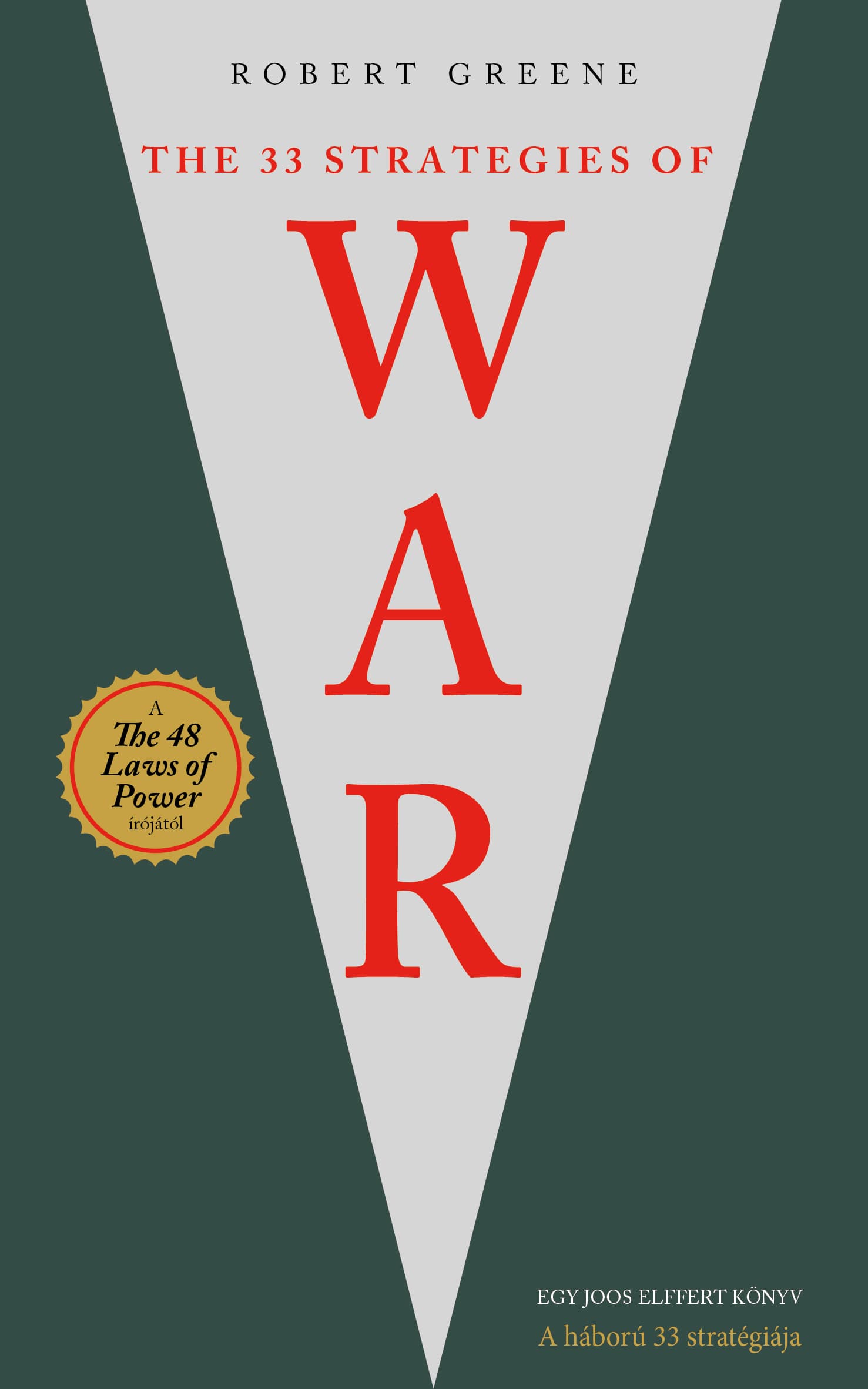
The 33 Strategies of War
Robert Greene
Free download · 500+ book summaries
What is The 33 Strategies of War about?
Robert Greene analyzes battles and wars from different eras, the lessons and insights from which we can apply in everyday life. Depicting life as a continuous war fought against ourselves and others, he presents 33 strategies that, when applied, can help us master the art of war.
Read an excerpt from the summary
Robert Greene wrote this book in 2006 because he thought modern life had quietly become more aggressive, not less, and that most of us were walking into it disarmed. The cover blurb pitches it as a successor to Sun-tzu, but the actual claim Greene makes in the preface is sharper and harder to swallow. The people who shaped your moral education trained you for a world that no longer exists. They taught you to seek harmony, to value cooperation, to assume the best about others. Meanwhile your colleagues are running games on you, your friends are jockeying for position, and your enemies have learned to wear smiles. You were raised for peace. You live in a war.
Greene dedicates the book to Napoleon, Sun-tzu, Athena, and his cat. The cat is a joke. The other three are not. They are his three patron saints of practical intelligence, and the rest of the book is a long argument that you should treat conflict the way they treated it. Not as something to be avoided or moralized over, but as the environment you actually live in, with rules that can be learned.
Strategy As Mental Hygiene
The Greek word *strategos* meant leader of the army, which is to say someone who saw the whole field, not just the patch of ground in front of him. Greene wants to recover that word from the management consultants and put it back where it belongs. Strategy is not a five-year plan. Strategy is the discipline of seeing what is actually happening, deciding what you actually want, and acting toward it without lying to yourself.
He lists six habits that mark the strategic mind. Look at things as they are, not through the filter of your emotions. When you're scared, you overrate the enemy. When you're angry, you cut off your options. When you're in love, you go blind. Judge people by what they do, not by what they say about themselves, and apply the same standard to yourself, because excuses don't win battles. Depend on your own arms. Money, allies, and technology can all be taken from you, but a trained mind cannot. Worship Athena, not Ares. Brains over brawn, indirection over collision. Elevate yourself above the battlefield, because most people are stuck arguing about today's skirmish while a campaign moves around them. And finally, declare unceasing war on yourself, because the largest enemy you'll ever face is your own laziness, your own fear, and your own attachment to comfort.
Like it?
Continue in the appRead it in 50 minutes
The summary of The 33 Strategies of War and 500+ more books await in the BookBase app.