 English
 Magyar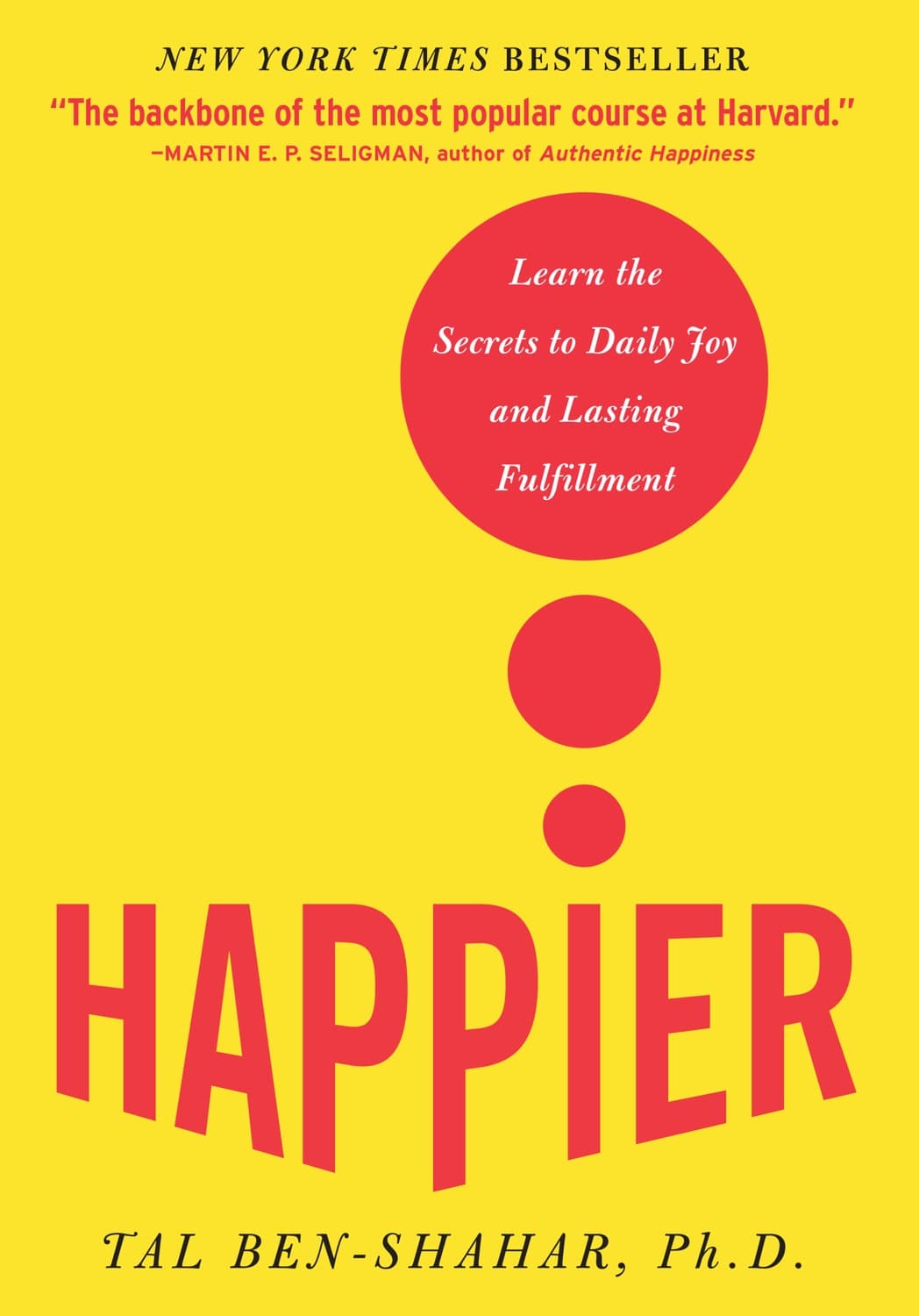
Happier
Tal Ben-Shahar
Free download · 500+ book summaries
What is Happier about?
Harvard's most popular course on the science of well-being. Tal Ben-Shahar's framework of present and future benefit, the four happiness archetypes, and the daily practices that actually correlate with sustained well-being in research. Practical positive psychology before that label existed.
Read an excerpt from the summary
Happier
*Tal Ben-Shahar (2007)*
Opening
Tal Ben-Shahar was the top-ranked junior squash player in Israel at sixteen. He trained five hours a day. He won the national championship. And on the night he held the trophy, expecting the wave of joy he had been chasing for years, he felt nothing. A flat, dull nothing. The next morning the question that would shape the rest of his life arrived uninvited. If reaching the top of the mountain does not deliver happiness, what was he climbing for?
He went to Harvard to study computer science, then philosophy, then psychology, hunting for an answer. The hunt turned into a course. The course turned into the most popular class in Harvard's history, with over 1,400 students enrolled in a single semester, more than one in five undergraduates on campus. The class was called Positive Psychology. The book that came out of it was called Happier.
Most people reading this know the squash-trophy feeling under a different name. The promotion that arrived without the lift. The product launch that hit its numbers and felt empty by Friday. The bonus that bought a weekend of relief and then nothing. Ben-Shahar's answer to that pattern is not motivational. It is structural. Happiness, he argues, is not a destination, a finish line, or a single emotion. It is a way of moving through time that includes both pleasure now and meaning later. Most knowledge workers have been trained to sacrifice one for the other. He shows what happens when you stop.
The book opens with a confession that earns him the right to teach the rest. For years after the squash trophy, Ben-Shahar tried every popular fix. He worked harder. He set bigger goals. He read the self-help shelf. He tried meditation and dropped it. He started a PhD because the structure of academic achievement was familiar. He tells the reader, plainly, that none of it worked until he stopped treating happiness as something he would receive once the right conditions were met, and started treating it as a daily skill he had to practice in conditions that would never be ideal. That reframe is the entire book in one move. Everything else is mechanics.
Like it?
Continue in the appRead it in 43 minutes
The summary of Happier and 500+ more books await in the BookBase app.