 English
 Magyar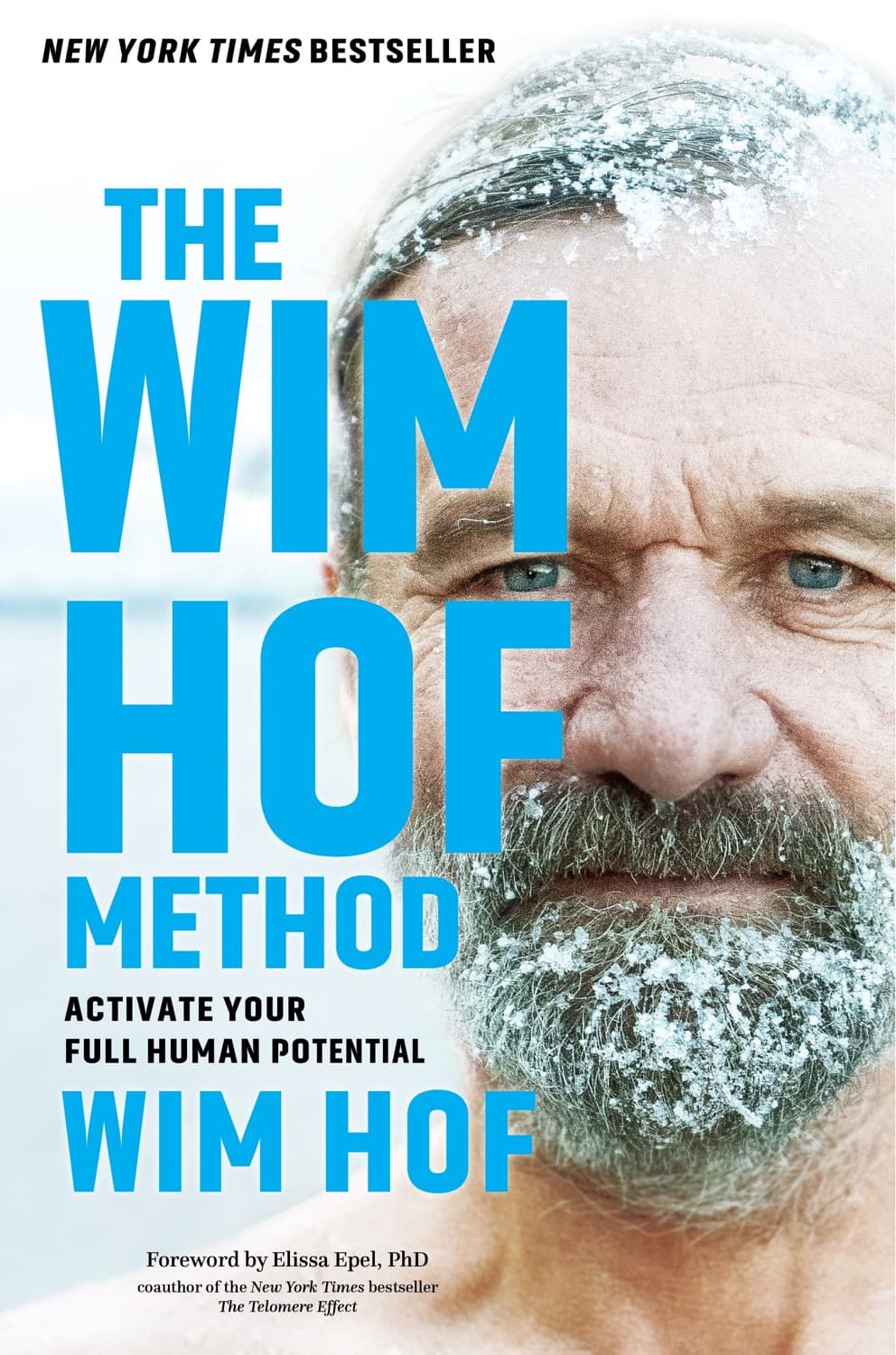
The Wim Hof Method
Wim Hof
Free download · 500+ book summaries
What is The Wim Hof Method about?
The Wim Hof Method
Read an excerpt from the summary
The Wim Hof Method
On the morning of January 26, 2007, a Dutch man named Wim Hof lowered himself into a container filled with ice cubes in front of a live audience in New York City. He had done this dozens of times before, but this attempt was different. He planned to stay inside for one hour and thirteen minutes -- long enough to set a new world record. Most physicians would have predicted severe hypothermia within twenty minutes. Core temperature drops below 35 degrees Celsius typically trigger shivering, confusion, cardiac arrhythmia, and then unconsciousness. Hof showed none of these symptoms. He sat in the ice, eyes half-closed, breathing in a steady, controlled rhythm, his face unnervingly calm. When he climbed out, his core temperature had barely moved. The doctors monitoring him could not explain what they had witnessed.
Hof was not a freak of genetics. He was not a professional athlete in any conventional sense. He was a 48-year-old Dutchman who had spent decades training his mind and body through a combination of cold exposure, a specific breathing protocol, and what he calls commitment -- a mental posture that he considers as trainable as any muscle. He had already climbed to 7,200 meters on Mount Everest wearing only shorts and lightweight shoes before bad weather turned him back. He had run a full marathon above the Arctic Circle in Finland, barefoot, in minus 20 degrees Celsius. He had run a marathon in the Namib Desert without drinking any water. He holds 26 Guinness World Records. The record for remaining submerged in ice stands at 1 hour and 52 minutes.
The book he eventually wrote -- "The Wim Hof Method" -- is not a conventional fitness manual. It is part memoir, part physiology primer, part philosophy of suffering. The method it describes is simple enough that anyone can start in a single afternoon, yet deep enough that its practitioners report changes in immunity, mood, sleep, stress tolerance, and pain management. Some of those claims are supported by peer-reviewed science. Others remain contested, anecdotal, or simply untested at adequate scale. This summary holds both realities at once, because the honest picture of the Wim Hof Method sits somewhere between miracle and marketing.
Like it?
Continue in the appRead it in 58 minutes
The summary of The Wim Hof Method and 500+ more books await in the BookBase app.