 English
 Magyar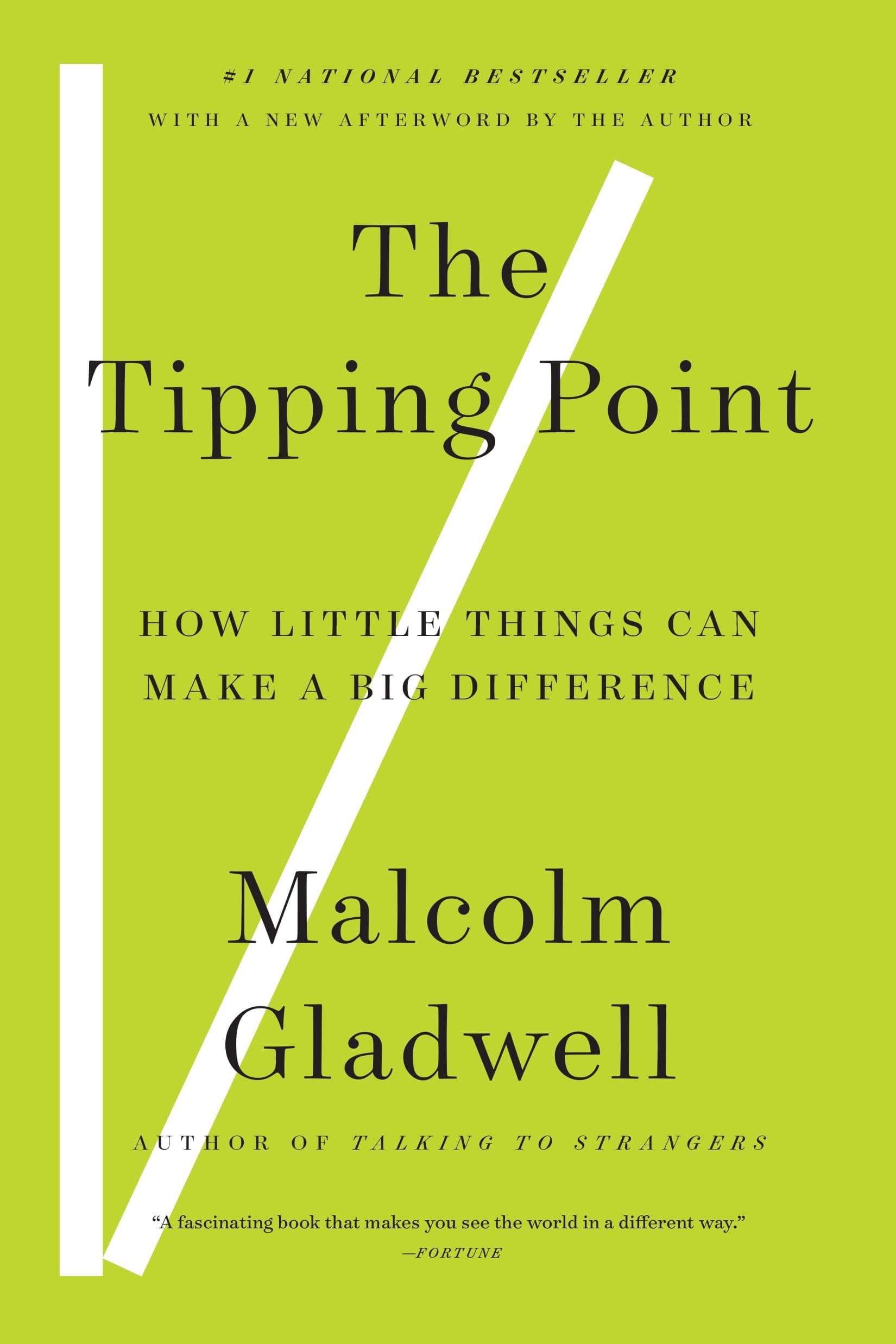
The Tipping Point: How Little Things Can Make a Big Difference
Malcolm Gladwell
Free download · 500+ book summaries
What is The Tipping Point: How Little Things Can Make a Big Difference about?
"The Tipping Point" is a classic Gladwellian intellectual adventure, a challenging and controversial journey through history, psychology, and scandals from the news.
Read an excerpt from the summary
Two Strange Stories
Picture a shoe nobody wanted. Hush Puppies, those soft suede slip-ons your grandfather wore, were selling thirty thousand pairs a year in 1994, and the executives at Wolverine were ready to retire the brand. Then, somewhere in the East Village and SoHo, a few dozen kids started wearing them — pulled out of resale shops, paired with thrift-store everything else, worn precisely because nobody else would. By 1995 the company moved 430,000 pairs. The next year, four times that. Isaac Mizrahi was wearing them. John Bartlett was sending them down the runway. Pee-wee Herman walked into a Los Angeles store with a twenty-five-foot inflatable basset hound on the roof and bought several pairs while the place was still being renovated. The company that made the shoe won a Council of Fashion Designers award and the president admitted, on stage, that Wolverine had almost nothing to do with the whole thing.
Across the same country, around the same years, something even stranger was happening. In 1992 New York City logged 2,154 murders and 626,182 serious crimes. Brownsville and East New York emptied at dusk. People stopped riding the subway. Then, within five years, murders collapsed to 770 — a drop of nearly two-thirds — and total crime fell almost in half. The usual suspects, falling crack use, an aging population, a recovering economy, couldn't carry the weight of an explanation, because the same forces were everywhere in America and nowhere else did crime fall this hard or this fast. Crime didn't just ebb. It plummeted.
Malcolm Gladwell's argument in The Tipping Point is that these two stories are the same story. Both are epidemics. Ideas, behaviors, products, and trends spread like viruses, and like viruses they obey rules that have almost nothing to do with our usual intuitions about cause and effect. They're contagious. Small inputs produce monstrously large outputs. And they don't unfold gradually — they sit dormant, then explode at a single moment when the right conditions click into place. That moment is the tipping point.
Like it?
Continue in the appRead it in 58 minutes
The summary of The Tipping Point: How Little Things Can Make a Big Difference and 500+ more books await in the BookBase app.