 English
 Magyar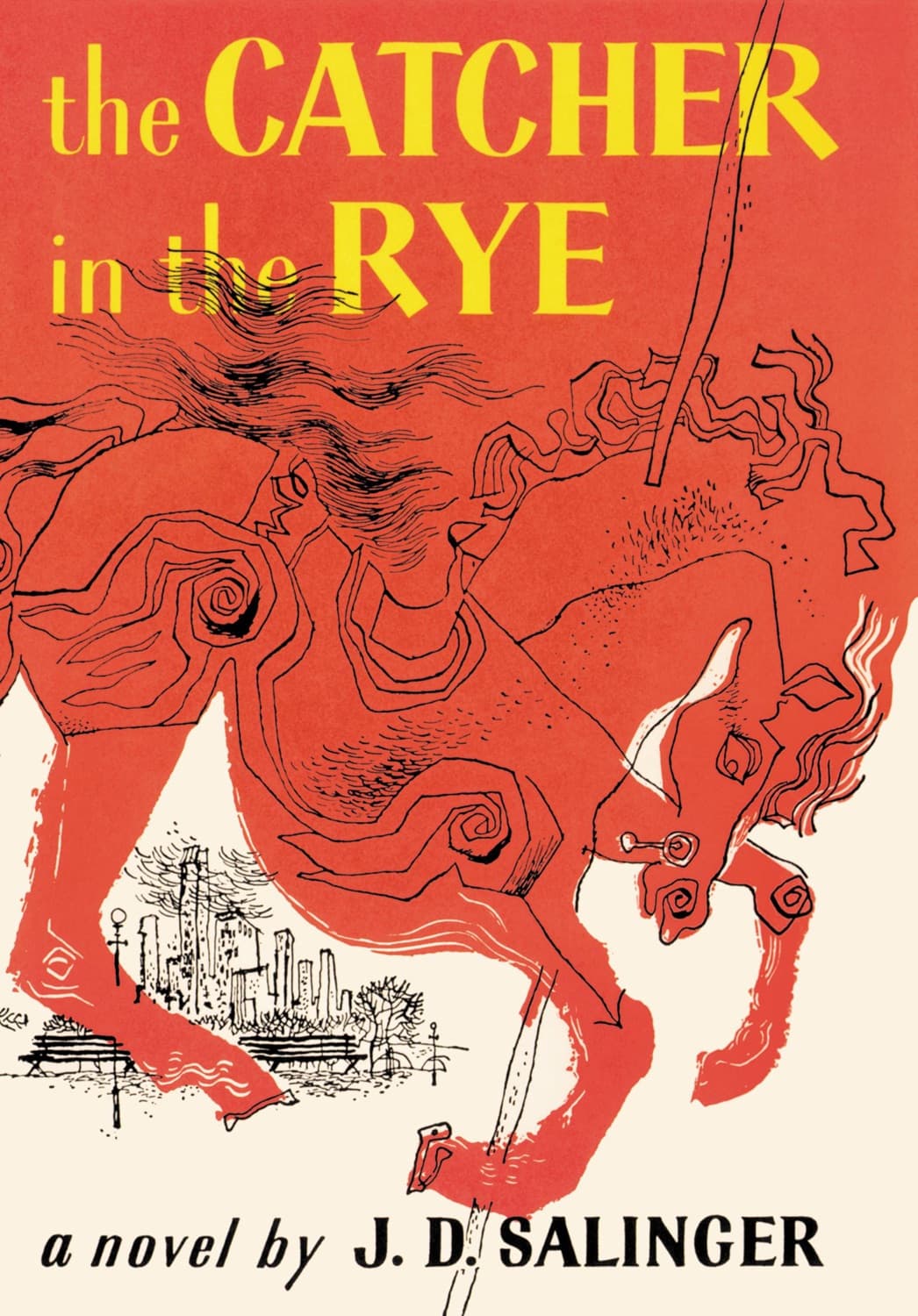
The Catcher in the Rye
J. D. Salinger
Free download · 500+ book summaries
What is The Catcher in the Rye about?
Three days in the life of Holden Caulfield, the most famous unreliable narrator in American fiction. J. D. Salinger's 1951 novel captured adolescent alienation so precisely that it has never gone out of print and rarely out of debate. The book that defined modern coming-of-age literature.
Read an excerpt from the summary
The Catcher in the Rye
It is a Saturday in December 1949, and Pencey Prep's football team is playing Saxon Hall. Every student who could get a ticket is down at the field. Holden Caulfield is up on Thomsen Hill, alone, watching the tiny figures below from a distance too great to make out faces. He is sixteen years old. He has just been expelled -- his fourth school in four years. He is wearing a red hunting hat he bought that morning in New York City for a dollar, the peak turned backward, and he has no particular reason to be standing on the hill. He tells himself he wants to get a good-bye feeling for Pencey. That is not quite true. The truth is closer to this: he does not want to be down there, he cannot explain why, and the hill at least gives him a place to stand while he figures that out.
That image -- the boy on the hill, watching but not joining, physically present but psychically elsewhere -- is the whole book. Everything that follows over the next three days is a long, exhausting attempt to understand why Holden cannot cross the distance between the hill and the field, why he is constitutionally unable to be where everyone else is, and what it would actually cost him to try.
J.D. Salinger published The Catcher in the Rye in July 1951 through Little, Brown and Company. The novel is narrated retrospectively from an unnamed sanatorium somewhere in California, where Holden is recovering from what the text never quite names but the reader understands as some form of mental and physical collapse. He opens by refusing to give a proper account of himself: "If you really want to hear about it, the first thing you'll probably want to know is where I was born, and what my lousy childhood was like... and all that David Copperfield kind of crap, but I don't feel like going into it." That deflection -- the instinct to dodge autobiography, to preempt sentiment before it can land, to name the genre of confession and then refuse the confession -- is as close to a thesis statement as the novel offers.
Like it?
Continue in the appRead it in 53 minutes
The summary of The Catcher in the Rye and 500+ more books await in the BookBase app.