 English
 Magyar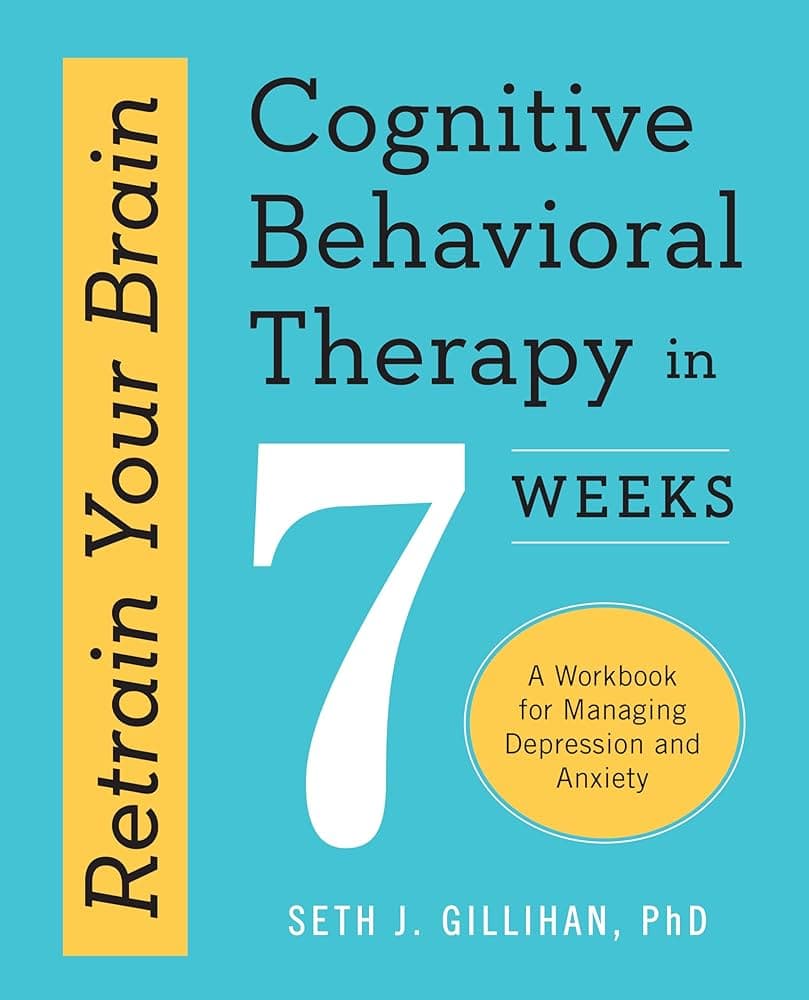
Retrain Your Brain
Seth J. Gillihan
Free download · 500+ book summaries
What is Retrain Your Brain about?
Retrain Your Brain is about mastering practical strategies designed to break free from negative thinking patterns and create a more positive, fulfilling life. Whether you're struggling with anxiety or depression, or simply want to improve your overall mental well-being, this guide serves as a valuable resource for retraining your brain and becoming the best version of yourself.
Read an excerpt from the summary
Retrain Your Brain: Cognitive Behavioral Therapy in 7 Weeks
A Bridge, a Library, and the Missing Step
Ted is walking through the woods on an ordinary afternoon when the trail reaches a wooden footbridge. A creek runs maybe thirty or forty feet below it. He takes a few steps out, and his chest clamps shut. The world goes light and distant, and he can't pull in a full breath. He turns around and hurries back to solid ground, heart slamming.
Years earlier, Ted had been trapped in traffic on a huge suspension bridge during a violent thunderstorm. Ever since, bridges have meant terror. But notice what's strange about the footbridge in the woods: nothing is actually happening to him. There's no storm, no danger, no real threat. So where does the fear come from?
That gap is the whole subject of this book. Seth Gillihan, a clinical psychologist trained at the University of Pennsylvania and a faculty member there, spent more than a decade studying, practicing, and researching cognitive behavioral therapy. He's also been on the receiving end of his own struggles: panic attacks, depressed moods, insomnia, stress, and the kind of crushing disappointment most of us would rather not talk about. He discovered CBT as a master's student during a late night in the library, and it changed the direction of his career. The promise he makes in this book is unusually concrete. In seven weeks, working one chapter at a time with a notebook beside you, you can learn to be your own therapist.
To understand why CBT works, Gillihan walks through three earlier ways of treating someone like Ted. In the first half of the twentieth century, Ted would have ended up in psychoanalysis. He'd lie on a couch and talk, maybe four days a week for years, while an analyst made occasional comments about what the bridge might symbolize and what childhood memories it stirred up. The trouble, Gillihan notes dryly, is that there was scant evidence it actually worked.
Like it?
Continue in the appRead it in 54 minutes
The summary of Retrain Your Brain and 500+ more books await in the BookBase app.