 English
 Magyar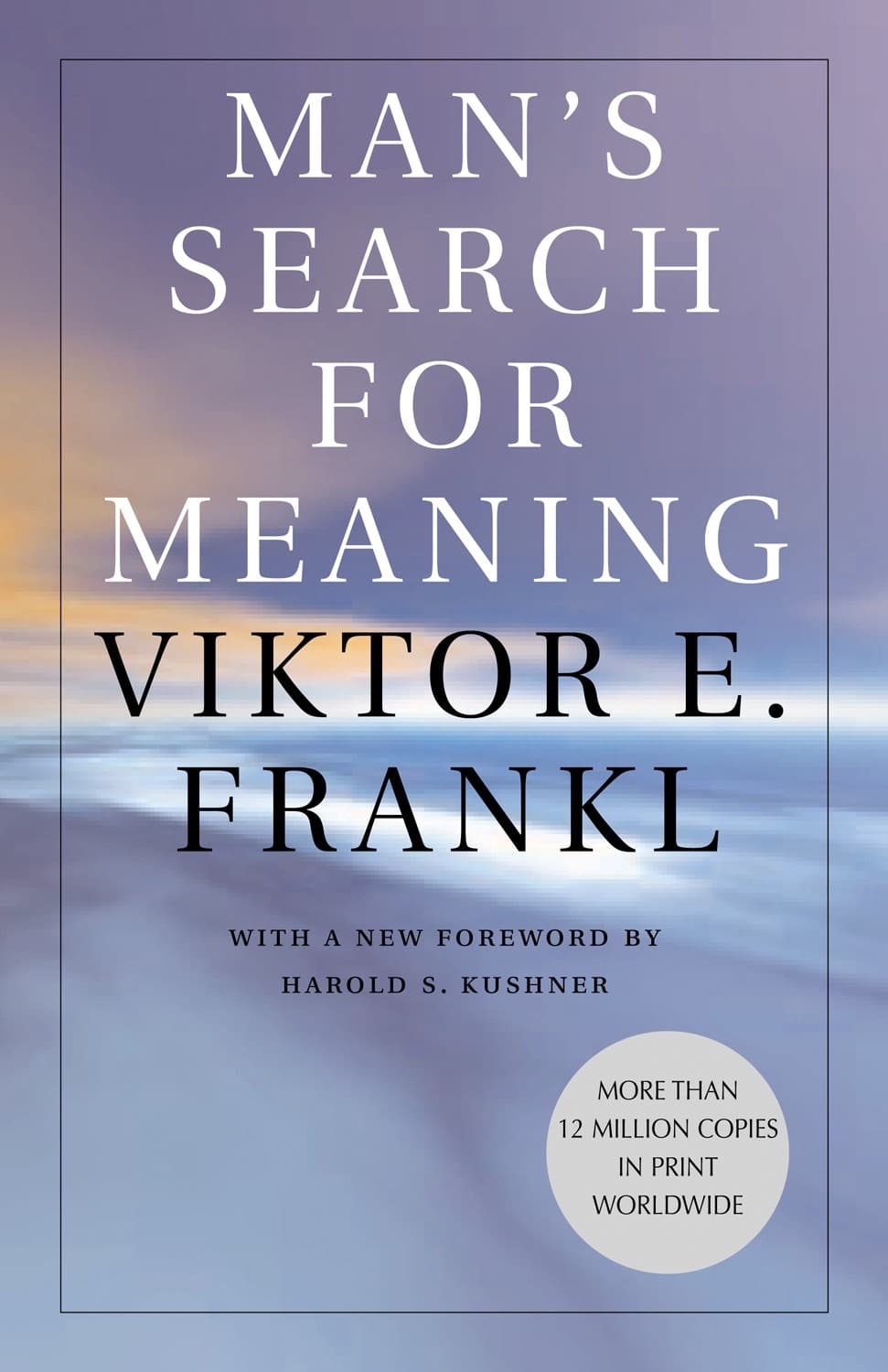
Man's Search for Meaning
Viktor Frankl
Free download · 500+ book summaries
What is Man's Search for Meaning about?
A psychiatrist's account of surviving Auschwitz and the philosophy it forged: logotherapy. Viktor Frankl argues meaning is the deepest human drive, more fundamental than pleasure or power. The slim 1946 classic that has helped millions of readers find purpose in suffering and dignity in the smallest choices.
Read an excerpt from the summary
Man's Search for Meaning
In the autumn of 1944, a Viennese psychiatrist stood on a railroad platform in Auschwitz. His coat had been taken. His manuscript -- years of work outlining a new approach to psychotherapy -- had been sewn into the lining of that coat and was gone. He had nothing left but the clothes he had been handed and a single thought that arrived with unusual clarity amid the chaos: the ideas are in my head. They cannot take those.
His name was Viktor Emil Frankl. He was thirty-nine years old. He had already spent time in Theresienstadt. His father had died there of pneumonia and starvation, and Frankl had sat with him through the final hours, giving him small doses of morphine from a stolen supply. His mother would die in Auschwitz. His wife Tilly, whom he had married only two years before the war began, would die at Bergen-Belsen before the liberation. He did not yet know any of this as he stood on the platform. He knew only that he was still alive, that the man next to him might be dead by morning, and that something inside him -- some core of interior life -- had not yet been reached by the machinery of dehumanization grinding around him.
What he would build from that experience, first published in German in 1946 under the title "...trotzdem Ja zum Leben sagen" -- "...nevertheless saying yes to life" -- became one of the most widely read books of the twentieth century. By the time of Frankl's death in 1997, it had been translated into dozens of languages and sold more than twelve million copies. But the book's reach is not the point. The point is what it argues, and what it proves. It argues that meaning is not a luxury available only in peaceful times. It argues that even in the most extreme suffering imaginable, a human being retains one final freedom: the freedom to choose how to respond. And it proves this not with philosophy, but with testimony. Frankl was there. He watched people break. He watched others hold. He noted, with the precision of a trained psychiatrist, what made the difference.
Like it?
Continue in the appRead it in 52 minutes
The summary of Man's Search for Meaning and 500+ more books await in the BookBase app.