 English
 Magyar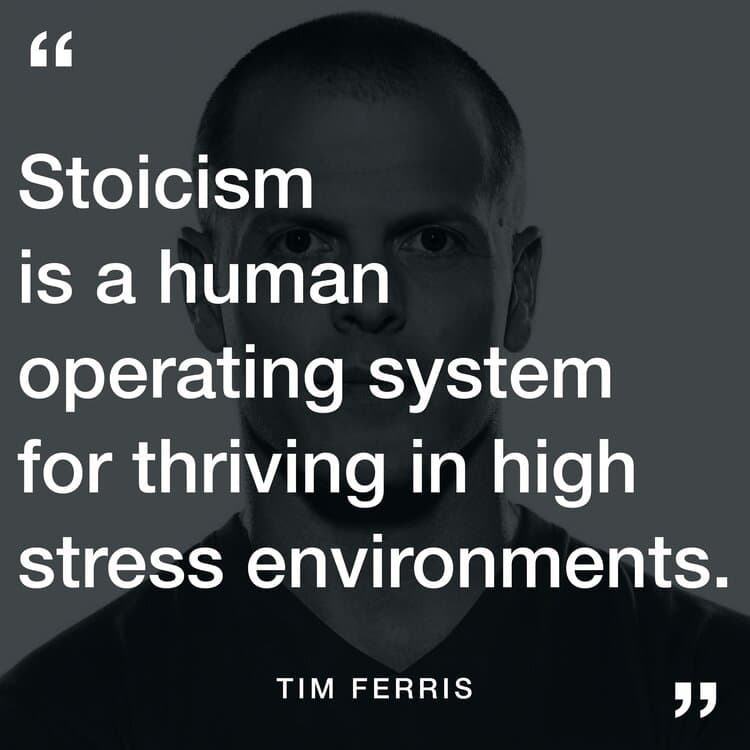
A practical guide to stoicism
Tim Ferris
Free download · 500+ book summaries
What is A practical guide to stoicism about?
Bestselling author and investor Tim Ferris is one of the most quoted exponents of Stoicism. For years he has been increasing the value of philosophy, whether it's through his widely read blog, which is read by millions, his podcast, which has been downloaded by more than 200 million people, or his TED talks. In his books, he writes about how he incorporates the practices of Stoicism into his daily life to become less stressed.
Read an excerpt from the summary
One clear hit in the summary text itself — the Amor Fati section uses the "not only X, Y" construction: *"It says: not only will I accept what happens, I will love it"*. That's the only violation; the rest of the document is clean (consistent US spelling, no cliché markers, no repeated consecutive paragraph openers, no register breaks).
---
Why Ancient Philosophy Showed Up in Silicon Valley
For two decades, Tim Ferriss has done one thing professionally more than anything else. He asks accomplished people what makes them tick. Investors, four-star generals, Navy SEALs, Olympians, novelists, chess prodigies, scientists, comedians. Different domains, different temperaments, different routes to the top. He records the conversations, transcribes them, and reads back through the answers looking for patterns. Most of the patterns are unsurprising. Successful people read a lot. They sleep poorly. They work on their relationships. They overestimate themselves on Mondays.
But one pattern surprised him. A name kept showing up in the answers, and it was not the name of a meditation app or a supplement protocol. It was Seneca. Or Marcus Aurelius. Or Epictetus. Smart, well-resourced, demonstrably effective people, on every continent, kept describing a two-thousand-year-old ethical system as the operating system running underneath everything they did. They mentioned it in the same matter-of-fact tone they would use for compound interest.
Ferriss noticed. Then he tried it. Then he wrote about it, podcasted about it, produced audiobooks of the original sources, and built it into nearly everything he teaches. This book is the consolidated version. It is not a history of Stoicism. It is not a defense against academic critics. It is a working manual, written in plain English, for people who want to use Stoic ideas the way you would use a tool.
Like it?
Continue in the appRead it in 56 minutes
The summary of A practical guide to stoicism and 500+ more books await in the BookBase app.